
The homeowner journal
How to Compare Remodeling Estimates Without Missing Scope
A lower number can mean a different project. Compare the work behind each total before choosing a remodeling contractor.
Discuss your project ↗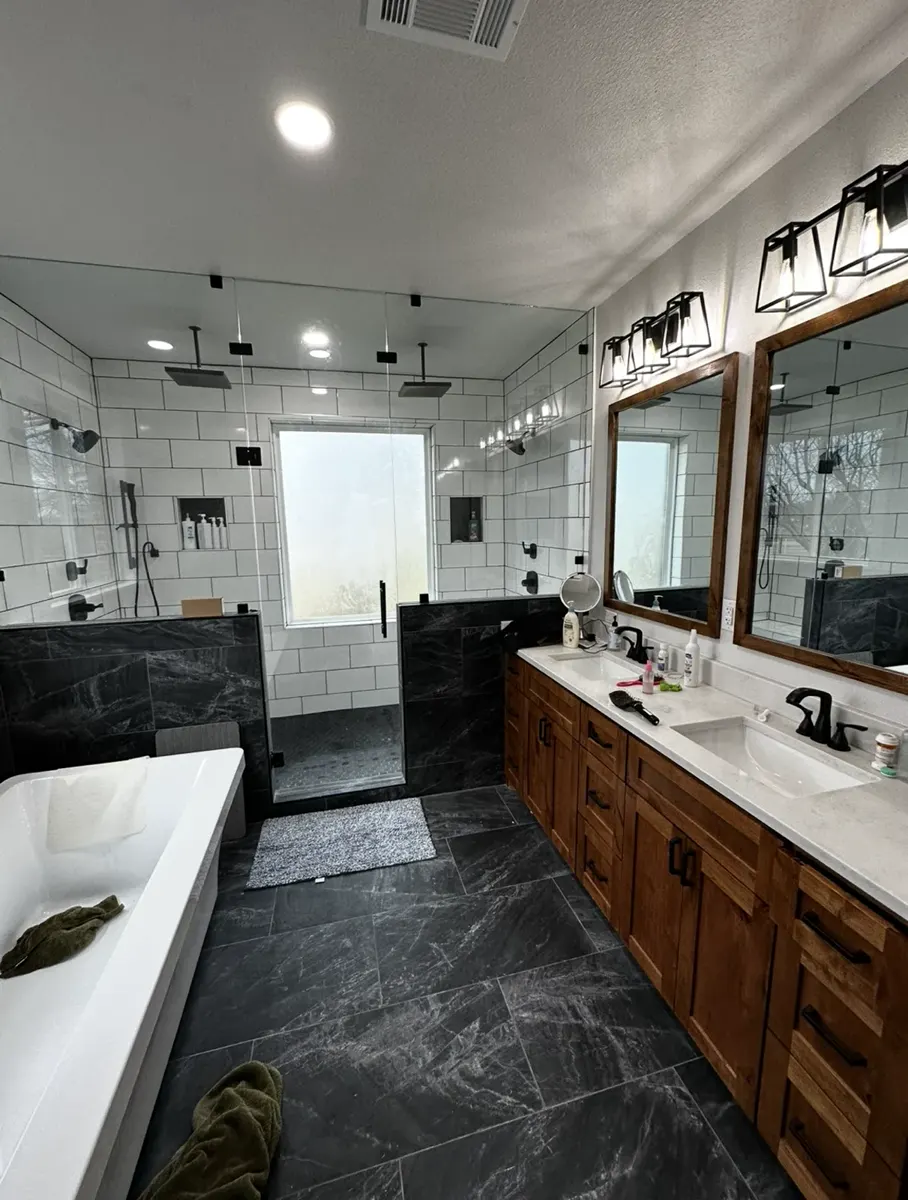
The practical answer
Compare remodeling estimates using the same rooms, quantities, product selections, preparation and finish responsibilities. Check allowances, exclusions, payment milestones and how additional work is approved. The total alone does not show whether two proposals cover the same renovation.
Give each contractor the same starting point.
Prepare a room-by-room list with photos, priorities and what you want to retain. Share the same plans and reference images. If you change the scope during one walkthrough, update the other bidders too.
For a kitchen, list cabinets, counters, backsplash, appliances, flooring, paint and lighting separately. For a bathroom, include the shower or tub, vanity, tile, fixtures, storage and related repairs. It is easier to compare clear line items than broad promises.
Look at preparation and repairs.
Demolition and preparation are part of the renovation even when they do not appear in the finished photo. Ask what removal, disposal, patching, protection and cleanup are included.
Concealed conditions cannot always be priced precisely before removal. The proposal should explain the assumptions and how newly discovered work will be reviewed. Avoid treating an unclear repair allowance as a complete commitment for every possible condition.
Separate a selection from an allowance.
A selected countertop or tile product can be priced more specifically than an open material allowance. Check what the allowance covers: the item, quantities, delivery, installation or some combination.
Confirm who buys owner-furnished fixtures or appliances and who receives them. Ask how an upgrade, a delayed product or a changed selection affects the overall price and sequence. Keep approved product details in writing.
Compare the same responsibilities.
Make a simple list and mark each item included, excluded, allowed or unanswered. Ask for clarification wherever a responsibility is unclear.
- Exact rooms and surfaces included
- Product selections, quantities and finish details
- Demolition, repair, protection and disposal
- Trade coordination and applicable approval responsibilities
- Furniture movement, access and household restrictions
- Payment milestones and the written change process
- Final walkthrough, touch-ups and closeout information
Discuss schedule assumptions, not just an end date.
Ask what must be selected or delivered before work begins, which rooms will be unavailable and whether the plan uses phases. Weather can affect exterior work, while fabrication and trade coordination may affect interior work.
A schedule should explain the important dependencies. Ask how updates will be communicated if a hidden condition or material issue changes them. That conversation is more useful than comparing unexplained duration promises.
Choose a proposal you can follow during the work.
The accepted scope becomes the reference for decisions after construction starts. Know who can approve changes, how pricing will be documented and who your main contact will be.
You do not need every finish selected to start a conversation. Share your DFW project city, rooms, essential goals and approximate timing. We can review the home and prepare a clearer scope for the work you actually want.
Useful answers
Before the walkthrough.
Why did one estimate come in much lower?
Check quantities, preparation, products, allowances, exclusions and installation responsibilities. A lower total can reflect a narrower scope or different assumptions.
Do I have to know my exact budget?
No. A working range and priorities are useful, but you can explain what you know and which choices are still open.
Start with your scope
Request your walkthrough.
Choose your preferred date and time, or leave them blank if you are flexible. Austin will follow up to confirm your appointment.